Allow Users to Send a Sequence of Messages to an AI Agent in Telegram
Curated by n8n Markets team
Last updated: March 8, 2026
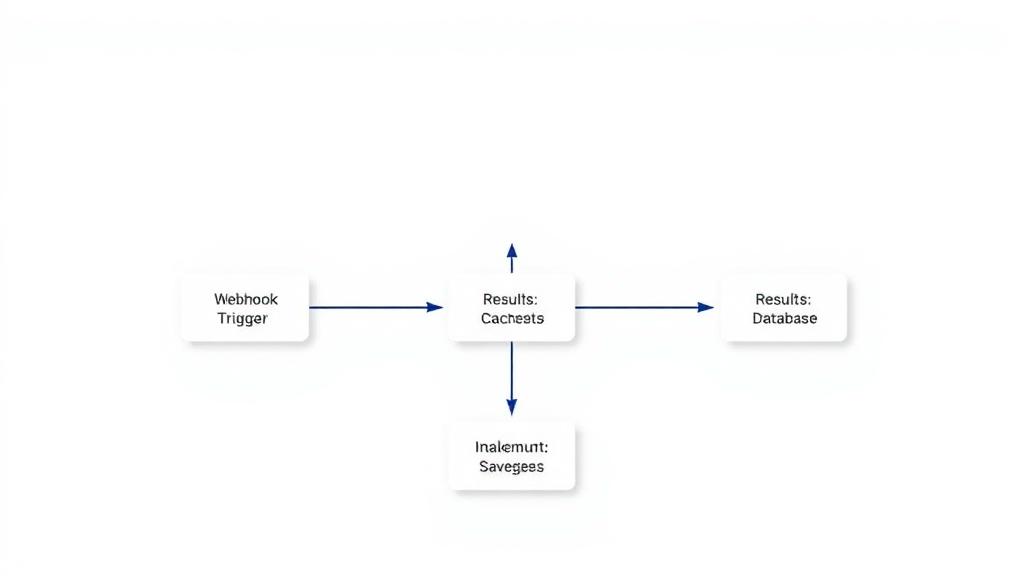
### Use Case When creating chatbots that interface through applications such as Telegram and WhatsApp, users can often sends multiple shorter messages in quick succession, in place of a single, longer message. This workflow accounts for this behaviour. ### What it Does This workflow allows users to send several messages in quick succession, treating them as one coherent conversation instead of separate messages requiring individual responses. ### How it Works 1. When messages arrive, they are stored in a Supabase PostgreSQL table 2. The system waits briefly to see if additional messages arrive 3. If no new messages arrive within the waiting period, all queued messages are: - Combined and processed as a single conversation - Responded to with one unified reply - Deleted from the queue ### Setup 1. Create a table in Supabase called message_queue. It needs to have the following columns: user_id (`uint8`), message (`text`), and message_id (`uint8`) 2. Add your Telegram, Supabase, OpenAI, and PostgreSQL credentials 3. Activate the workflow and test by sending multiple messages the Telegram bot in one go 4. Wait ten seconds after which you will receive a single reply to all of your messages ### How to Modify it to Your Needs - Change the value of Wait Amount in the Wait 10 Seconds node in order to to modify the buffering window - Add a System Message to the AI Agent to tailor it to your specific use case - Replace the OpenAI sub-node to use a different language model
What's Included
- Complete n8n workflow template with 0 nodes. Ready to import and customize.
Requirements
n8n instance (self-hosted or cloud). credentials.
How to Use
1. Download the workflow JSON 2. Import into your n8n instance 3. Configure credentials for 4. Activate and enjoy automation
Apps in this n8n workflow
How to import this template into n8n
- Download the workflow JSON file from this page.
- In n8n, open Workflows, create a new workflow and choose Import from File.
- Open each node that shows a warning and connect your own credentials.
- Run the workflow once manually to check the output before you activate it.
- Importable n8n workflow JSON file
- Download with Builder Pro or Agency Unlimited
- Built for n8n v1.0++
- Setup time: 5-15 min
Included in Builder Pro — $19/mo, 4,177 premium workflows
Before you activate
Templates are reviewed before they are listed. Test with your own credentials and data before running it in production.
100% Secure Checkout
Refund requests within 7 days of a new subscription
0 reviews
No reviews yet.
Questions & Answers
Log in to ask a question.
No questions yet. Be the first to ask!
People Also Bought
Related Automation n8n templates
- Generate AI Videos with Google Veo3, Save to Google Drive and Upload to YouTube
- Scrape and summarize webpages with AI
- Create a Branded AI-Powered Website Chatbot
- Angie, Personal AI Assistant with Telegram Voice and Text
- AI agent chat
- Automated Web Scraping: email a CSV, save to Google Sheets & Microsoft Excel
- Respond to WhatsApp Messages with AI Like a Pro!
- Basic Automatic Gmail Email Labelling with OpenAI and Gmail API